Food companies work against the clock. Every batch has a shelf life, retailers in the Gulf often refuse stock with less than two thirds of its life remaining, and summer heat punishes any break in the cold chain. Regulators such as the SFDA, Dubai Municipality and the National Food Safety Authority in Egypt expect traceability and accurate labels, and hypermarkets expect rebates, listing fees and promotions that can erase the margin. Odoo gives food companies batch control, expiry discipline and true customer profitability in one system.
FlexCode Middle East is part of FlexCode Systems GmbH, an Odoo Silver Partner. We implement Odoo, so Odoo is the system we describe, next to an honest look at the topic itself.
Key points
- Recipes and yields. Batch production with actual yields and by-products.
- Shelf life rules. FEFO picking and minimum remaining life per customer.
- Traceability. From supplier lot to finished batch to every customer.
- Real customer margin. Rebates, listing fees and promotions charged to each retailer.
Recipes, batches and yields
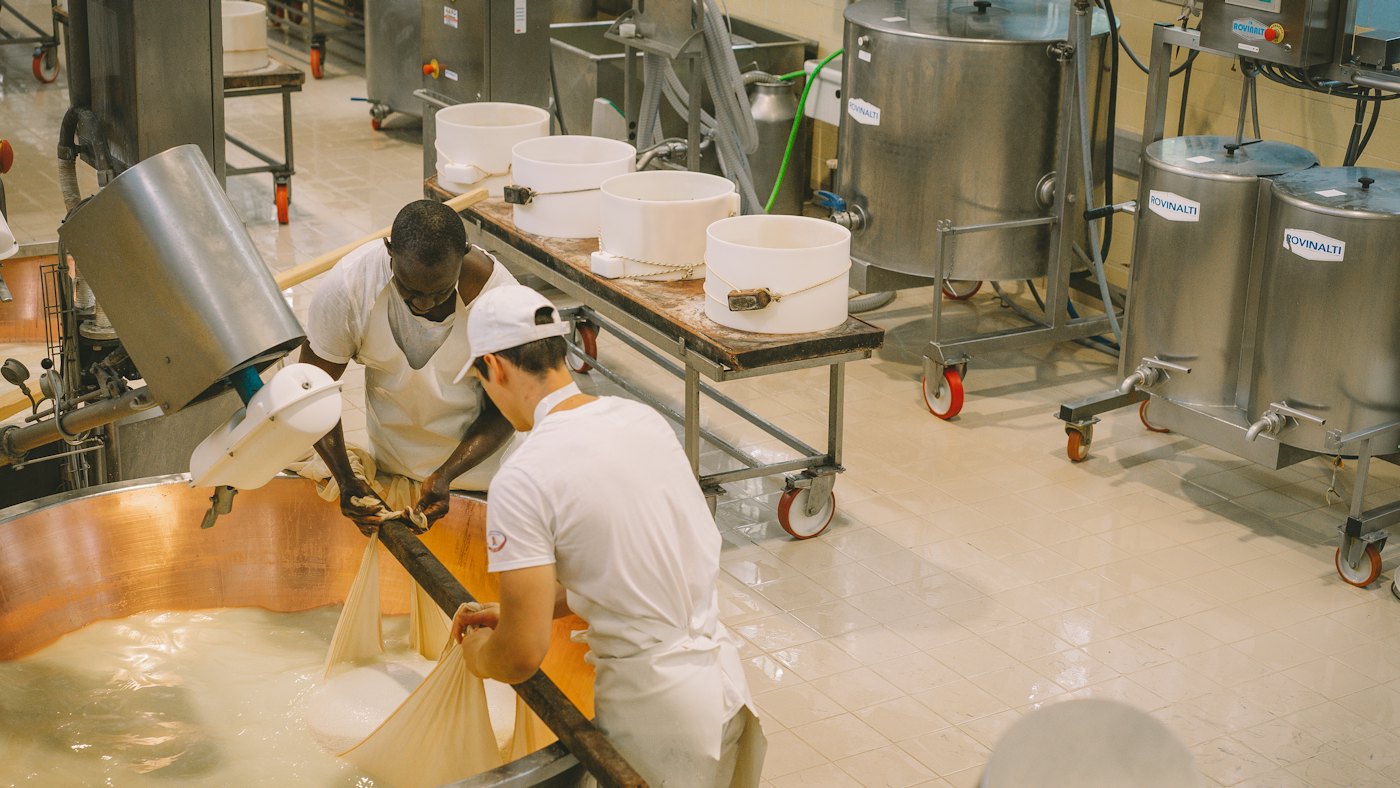
A recipe in Odoo is a bill of materials scaled to a batch size, for example 1,000 litres of juice or 500 kilograms of dough. Manufacturing orders consume ingredients by lot, record the actual yield, and create the finished batch with its production date and expiry. Differences between expected and actual yield show losses that otherwise stay hidden in the cost of sales.
See Odoo Manufacturing basics and Odoo for manufacturers.
Shelf life and expiry discipline
Expiry dates are set on each lot from the product's shelf life. Picking follows first expiry, first out, and rules can stop the warehouse shipping stock below a customer's minimum remaining shelf life. A weekly near expiry report gives sales time to push stock through promotions or alternative channels before it must be destroyed.
| Customer type | Typical minimum life on delivery | Odoo rule |
|---|---|---|
| Hypermarkets | Two thirds of total shelf life | Minimum remaining life on picking |
| Groceries and traditional trade | Often half | Separate rule or priority |
| Horeca | Depends on contract | Per customer |
| Clearance and staff sales | Close to expiry | Dedicated location |
Minimum shelf life percentages are set in retailer agreements, not by law. Check each contract.
Food safety, halal and labels
Odoo holds the data behind compliance: ingredient lists, allergens, halal certificates per supplier and product, country of origin and nutrition information. Quality checks at receipt record temperature and supplier documents, and in-process checks record critical control points from the HACCP plan. Certificates are attached to products and suppliers with expiry dates so a lapsed halal certificate is noticed before the next purchase.
- Attach halal and health certificates to suppliers with expiry alerts.
- Record temperature at receipt for chilled and frozen goods.
- Keep allergen data on every product and recipe.
- Run a mock recall twice a year.
Batch tracking and recalls work as in lots, serial numbers and expiry dates.
Retailers, rebates and margin
Selling to hypermarkets and supermarket chains comes with listing fees, annual rebates, promotion support, display fees and penalties for short deliveries. If these are booked as general expenses, every retailer looks profitable. In Odoo they can be recorded against the customer, through credit notes, vendor bills or accruals tagged to the account, so the real margin per retailer is visible.
2/3
Typical minimum shelf life for hypermarkets
Per lot
Traceability supplier to customer
Weekly
Near expiry review
Per retailer
Margin after trade spend
Distribution to retail is covered in Odoo for wholesale and distribution and van sales; restaurant groups are in Odoo for restaurant groups.
FlexCode implements Odoo for food companies
We set up recipes and batch production, expiry rules, quality and certificate tracking, cold chain locations and customer profitability including trade spend.
Frequently asked questions
Can Odoo manage food recipes and batches?
Yes, with bills of materials, batch manufacturing orders, lots and yields.
Can Odoo enforce minimum shelf life?
Yes, through expiry dates, FEFO and rules on remaining life.
Can I track halal certificates?
Yes, attached to suppliers and products with expiry alerts.
How fast is a recall?
The traceability report lists every customer who received a batch.
Can I see margin per retailer?
Yes, when rebates and listing fees are recorded against the customer.
Talk to us about how Odoo fits your business. Book a free call
Run invoicing, stock and accounts from one system.
FlexCode Middle East implements Odoo in Arabic and English for companies in Egypt, Saudi Arabia and the UAE.